
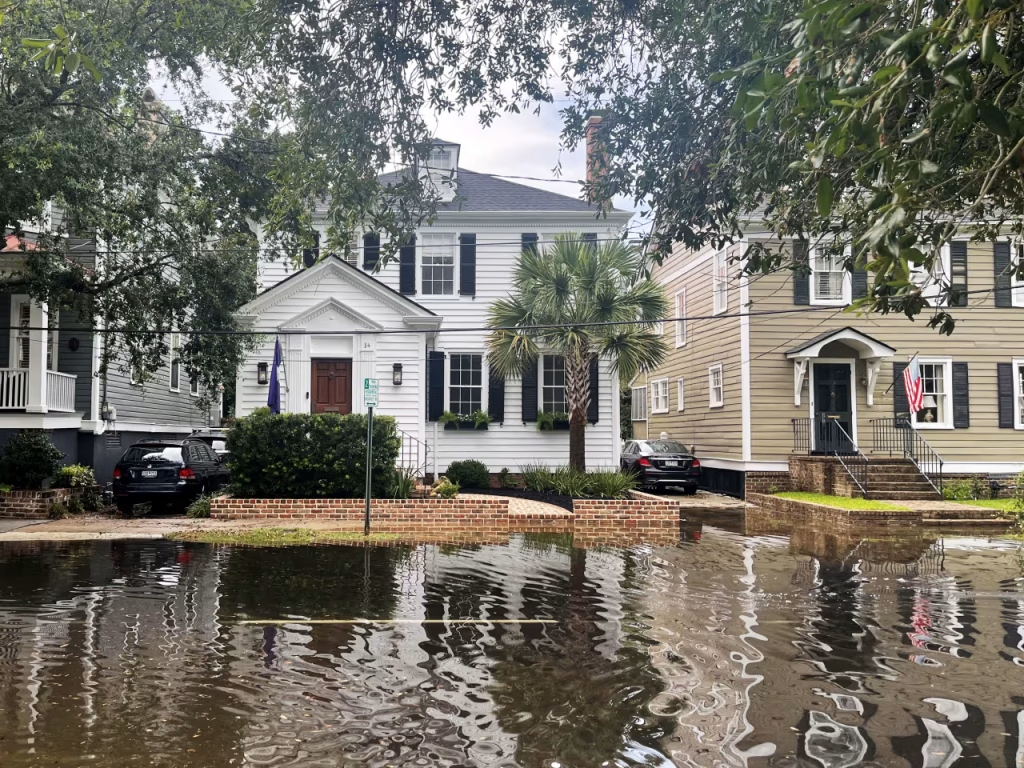
Living in Charleston means enjoying the beauty of the Lowcountry, but it also means preparing for hurricane season. While storms are part of life along the South Carolina coast, taking a few proactive steps can help protect your home and provide peace of mind.
Hurricane season runs June 1 through November 30, with the greatest threat to Charleston typically occurring between August and October. According to Charleston County Emergency Management, every household should have an emergency plan, stock essential supplies, and be prepared to be self-sufficient for at least 72 hours after a storm.
Know Your Flood Zone
Whether you’ve lived in Charleston for years or recently purchased a home, it’s important to know your property’s flood zone. FEMA’s flood maps can help you determine your flood risk and whether flood insurance may be required. Even homes outside high-risk flood zones can experience flooding, so understanding your property’s risk is an important part of owning a home on the South Carolina coast.
Review Your Homeowners Insurance
One of the most important things Charleston homeowners can do is review their homeowners insurance before a storm is on the radar. The South Carolina Department of Insurance notes that while standard homeowners insurance often covers wind damage, it does not typically cover flood damage. Flood insurance must be purchased separately and generally includes a 30-day waiting period, so don’t wait until a storm is in the forecast. Review your deductible, coverage limits, and whether your policy provides replacement cost coverage before hurricane season begins.
Prepare Your Home
Simple maintenance can go a long way in reducing storm damage. Secure outdoor furniture, trim tree branches, clean gutters, and test generators or backup batteries before severe weather arrives. It’s also a good idea to photograph your home’s interior and exterior and keep digital copies of important documents, including insurance policies, in a secure location.
Stay Informed
When severe weather threatens the Lowcountry, rely on trusted sources for updates. The National Hurricane Center provides the latest forecasts and storm tracking, while Charleston County shares local evacuation routes, emergency alerts, and preparedness information.
Although hurricanes are a reality of coastal living, preparation makes all the difference. Understanding your flood risk, reviewing your insurance coverage, and having a plan in place can help you protect your Charleston home and navigate hurricane season with confidence.